


Lajamanu: When Training Stopped and Truth Took Over
How responsive practice created space for truth-telling, respect, and clearer negotiation with government.
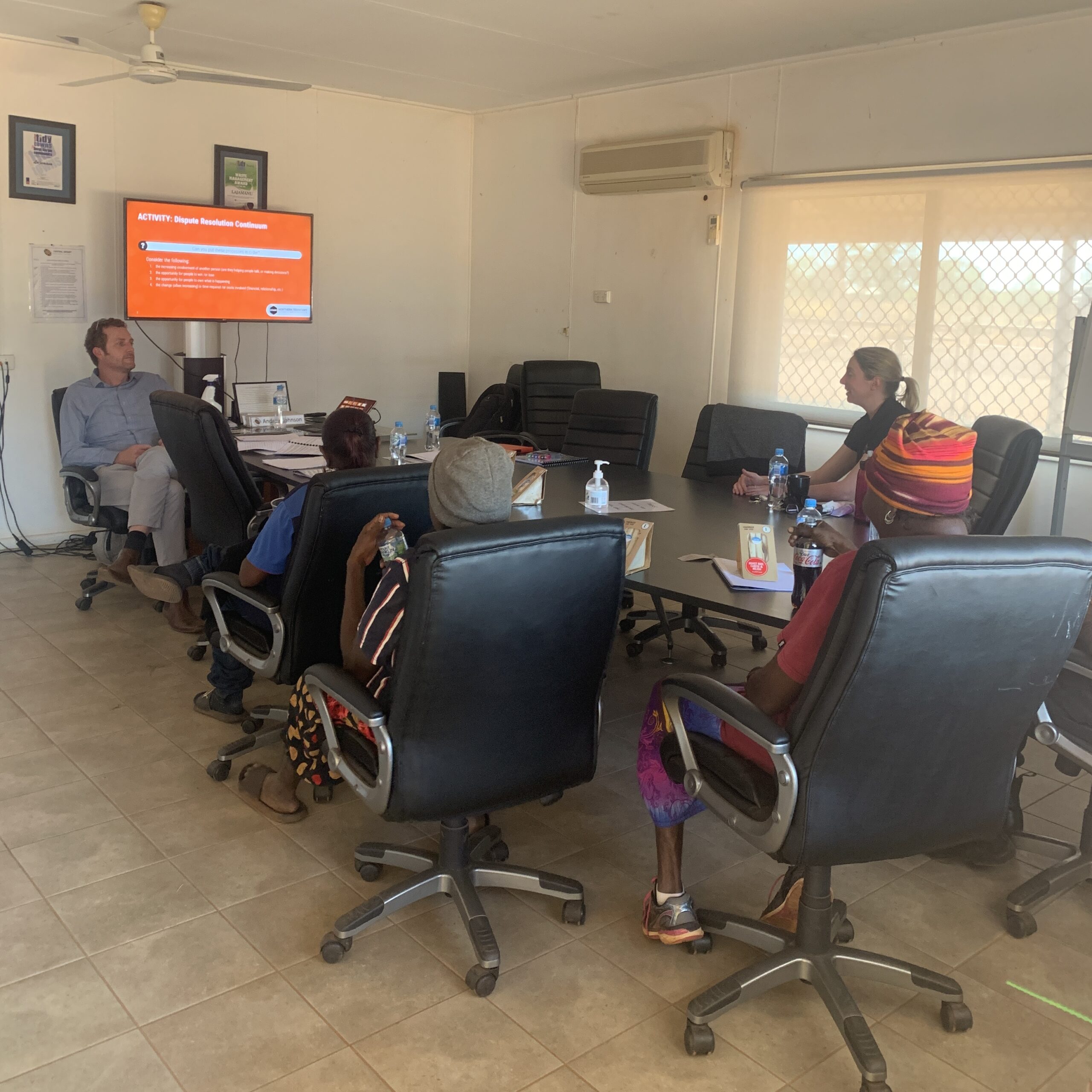
I travelled to Lajamanu expecting to deliver peacemaking training — the kind of practical, hands-on capability building that strengthens a community’s confidence in handling conflict. The sessions were prepared, the materials organised, and the agenda was set. But within the first hour, it became obvious that the work we came to do was not the work that was needed. Underneath the surface sat a far deeper issue: a profound lack of trust in how government engaged with the community, and a long history of promises made without outcomes delivered. Peacemaking training could not begin until that truth was acknowledged.
The Purpose: Understanding the Real Barrier to Peacemaking
The original purpose was to support Warlpiri leaders with structured tools for solving local disputes. But as soon as conversations began, it was clear the community wasn’t ready for training — not because they were unprepared, but because they were emotionally and politically exhausted. The Remote Engagement and Coordination Strategy (RECS) was meant to guide respectful, accountable engagement with remote communities, yet in Lajamanu it felt like a document that existed in theory rather than practice. Residents described repeated government visits where expectations were raised and then quietly abandoned. This pattern had eroded confidence so deeply that “engagement” itself had become a source of frustration. Before any learning could occur, the real task was to understand and address this underlying breach of trust.
The Turning Point: Andrew Johnson and the Conversation That Reset the Room
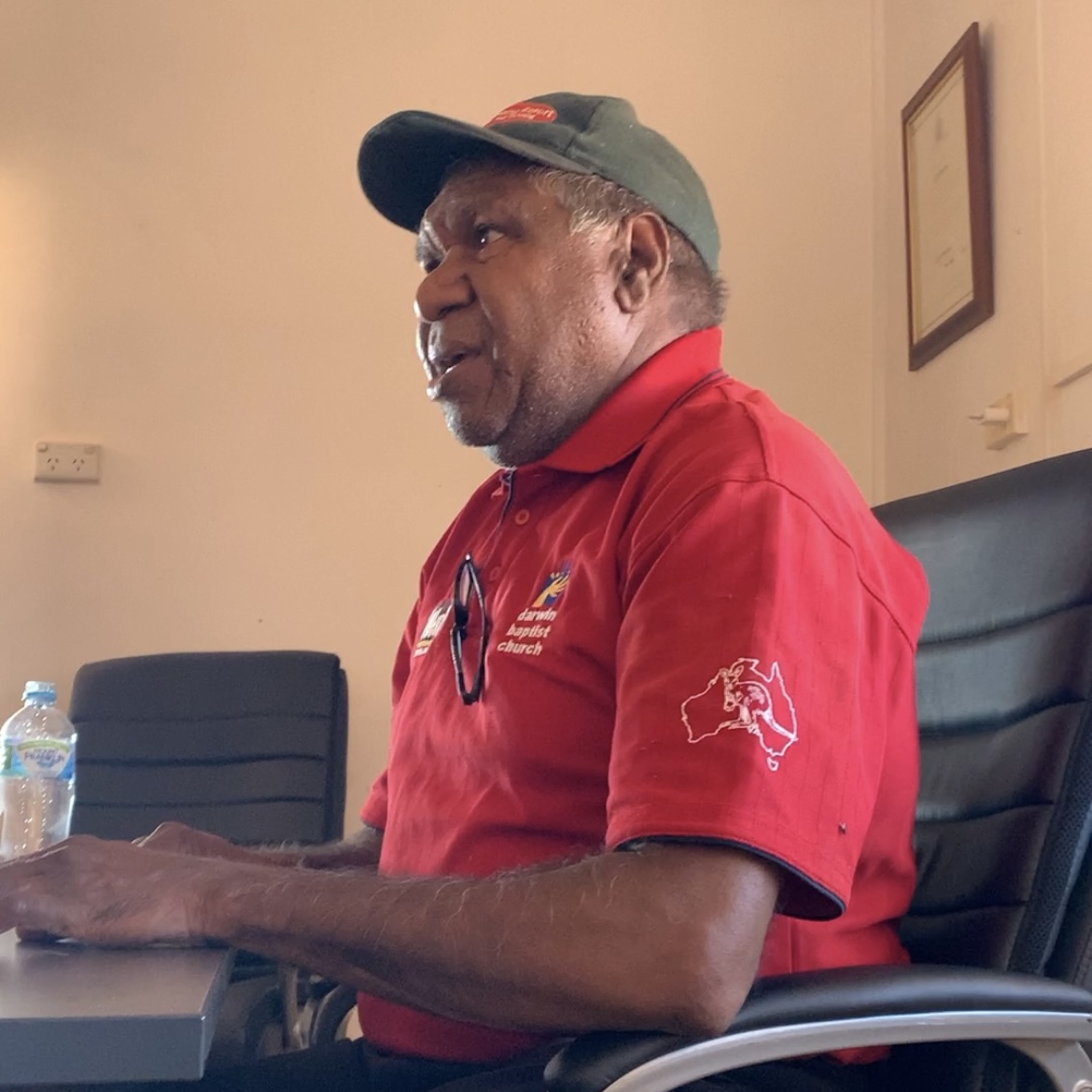
The moment of clarity came when Andrew Johnson offered a steady, grounded reflection: you cannot ask a community to participate in conversations about trust and peacemaking while the system itself repeatedly breaks both. His remarks weren’t provocative — they were simply honest. He spoke about the importance of country, the weight of history, and the impossibility of building peace while engagement remained inconsistent, rushed, or tokenistic. His words reframed the entire purpose of our visit. We realised the training agenda could not be delivered until the relationship between the community and government was addressed. That single moment shifted the tone of the room from compliance to truth-telling.
What We Actually Did: Setting Aside the Program and Listening Instead
With the training materials put aside, the work became about providing space for community members to speak openly about their concerns. People questioned why strategies like RECS existed if they could be ignored without consequence. They described engagement that felt performative rather than genuine, and they reflected on the emotional toll of repeatedly being promised outcomes that never eventuated. Our role was not to mediate or defend — it was to listen, help organise the concerns into clear themes, and support the community to articulate their boundaries. We explored what it meant to say “no” to engagement that was not respectful or credible, and how declining participation could be used as a form of protection rather than conflict.
What Was Achieved: Confidence, Boundaries, and a More Honest Posture
The outcome was not new frameworks or improved government processes. Instead, the community gained something far more grounded: confidence to hold their own boundaries in future engagements. People began to recognise that they were not obligated to accept every government visit or participate in every conversation. They felt empowered to question vague commitments, challenge unrealistic timelines, and insist that engagement matched the expectations set out in RECS. What emerged was not progression in the traditional sense, but a strengthened capacity to protect their time, their energy, and their dignity. It was a shift away from resignation and toward agency.
How This Shaped The Uncomfortable Company: Challenging Systems, Not Communities
This experience became central to the development of The Uncomfortable Company. It demonstrated that meaningful peacemaking sometimes begins by confronting the system rather than the community. It reinforced the belief that empowerment is not always about participation — often it is about refusal. And it highlighted the importance of standing in difficult, politically exposed positions when that is the only honest way to support a community. TUC was shaped by the recognition that responsible practice requires challenging assumptions, slowing processes, and ensuring that engagement honours the people it claims to serve.
Looking Back: The Training That Didn’t Happen, and Why That Mattered
When I look back on Lajamanu, I don’t think of the content we had prepared or the sessions we expected to deliver. I think about the quiet but decisive moment when the community realised they could say “not like this” without fear of consequence. Supporting that shift — however small it may appear on paper — remains one of the most meaningful outcomes of my work. Lajamanu taught me that the real work often begins when the planned work ends. And that lesson sits at the core of The Uncomfortable Company: progress comes from truth, not performance, and sometimes the most important thing you can do is stop, listen, and stand with people as they hold their ground.